 856-431-3952

Wood vs. Steel vs. Fiberglass Entry Doors: A Buyer’s Guide
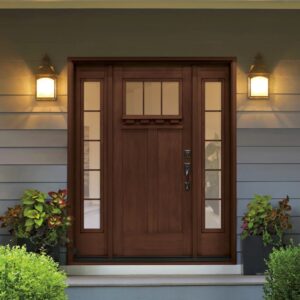 Choosing a new entry door is a big decision. It is one of the first things people notice about your home, and it plays a major role in security, energy efficiency, and long term performance. With so many options available, many homeowners find themselves comparing three popular materials: wood, steel, and fiberglass.
Each option has its own strengths and tradeoffs. The right choice depends on your priorities, budget, and the look you want to achieve. This guide breaks down the key differences so you can make a confident, informed decision.
Wood Entry Doors
Wood entry doors are often considered the most traditional and visually striking option. They bring a natural warmth and character that is difficult to replicate with other materials.
Pros of Wood Doors
One of the biggest advantages of wood is its appearance. It offers rich textures, natural grain patterns, and the ability to be stained or painted in virtually any color. This makes wood a great choice for homeowners who want a classic or high end look.
Wood doors are also highly customizable. You can choose from a variety of panel designs, glass inserts, and decorative elements to create a unique entryway.
Another benefit is solid construction. A well built wood door feels substantial and adds a sense of quality to your home’s entrance.
Cons of Wood Doors
The main drawback of wood is maintenance. Over time, exposure to moisture, sunlight, and temperature changes can cause warping, cracking, or fading if the door is not properly sealed and maintained.
Wood doors also tend to be more expensive than other materials, both upfront and over time due to maintenance needs.
In terms of energy efficiency, wood can perform well, but it may not match the insulating properties of modern fiberglass or steel doors without additional upgrades.
Steel Entry Doors
Steel entry doors are known for their strength, durability, and affordability. They are a popular choice for homeowners who prioritize security and low maintenance.
Pros of Steel Doors
Steel doors offer excellent protection. Their reinforced construction makes them resistant to impact and forced entry, providing strong peace of mind.
They are also one of the most cost effective options. Compared to wood and fiberglass, steel doors typically have a lower upfront cost while still offering solid performance.
Maintenance is minimal. Steel doors do not warp or crack like wood, and they hold up well against everyday wear.
Many steel doors also include insulated cores, which helps improve energy efficiency and maintain indoor comfort.
Cons of Steel Doors
While durable, steel doors can be prone to dents and scratches. If the outer layer is damaged, it may expose the material to rust over time if not properly addressed.
In terms of appearance, steel doors can be more limited. While there are styles and finishes available, they may not offer the same natural look or customization options as wood or fiberglass.
Fiberglass Entry Doors
Fiberglass entry doors have become increasingly popular because they offer a balance of durability, efficiency, and design flexibility.
Pros of Fiberglass Doors
Fiberglass doors are extremely durable. They resist warping, cracking, and denting, making them well suited for a variety of climates.
One of their biggest advantages is versatility in appearance. Fiberglass doors can be designed to mimic the look of real wood, complete with realistic grain textures, while requiring far less maintenance.
They are also highly energy efficient. Many fiberglass doors include insulated cores and tight seals that help reduce heat transfer and improve comfort inside your home.
Maintenance is simple. Unlike wood, fiberglass does not need regular refinishing, and it holds up well over time.
Cons of Fiberglass Doors
Fiberglass doors are typically more expensive than steel options, although they are often more affordable than high end wood doors.
While they can closely resemble wood, some homeowners may still prefer the authenticity of real wood for certain architectural styles.
How to Choose the Right Entry Door
When deciding between wood, steel, and fiberglass, it helps to think about your priorities. If your main goal is a high end, traditional appearance and you are willing to invest in maintenance, wood may be the right choice. If you are focused on security and affordability with minimal upkeep, steel is a practical and reliable option. If you want a balance of durability, energy efficiency, and design flexibility, fiberglass is often the best overall solution for modern homeowners.
You should also consider your local climate, how much exposure your front door gets, and how important customization is to your final decision. Weighing all these factors will help you select the best entry door to meet your needs.
Work With a Professional for the Best Results
No matter which material you choose, proper installation is just as important as the door itself. A poorly installed door can lead to drafts, security issues, and reduced lifespan.
Working with an experienced professional ensures your entry door fits correctly, seals properly, and performs as expected for years to come.
Upgrade Your Entry Door with Hunter Door
At Hunter Door, we help homeowners find the perfect entry door to match their style, budget, and performance needs. Whether you prefer the classic look of wood, the strength of steel, or the versatility of fiberglass, our team is here to guide you every step of the way.
From selection to professional installation, we make the process simple and stress free. Contact Hunter Door today to explore your options and upgrade your home with an entry door that delivers lasting beauty, security, and efficiency.

